
Common Mechanical Watch Problems: What the Symptoms Mean and When to Service Your Watch
Common Mechanical Watch Problems: What the Symptoms Mean and When to Service Your Watch
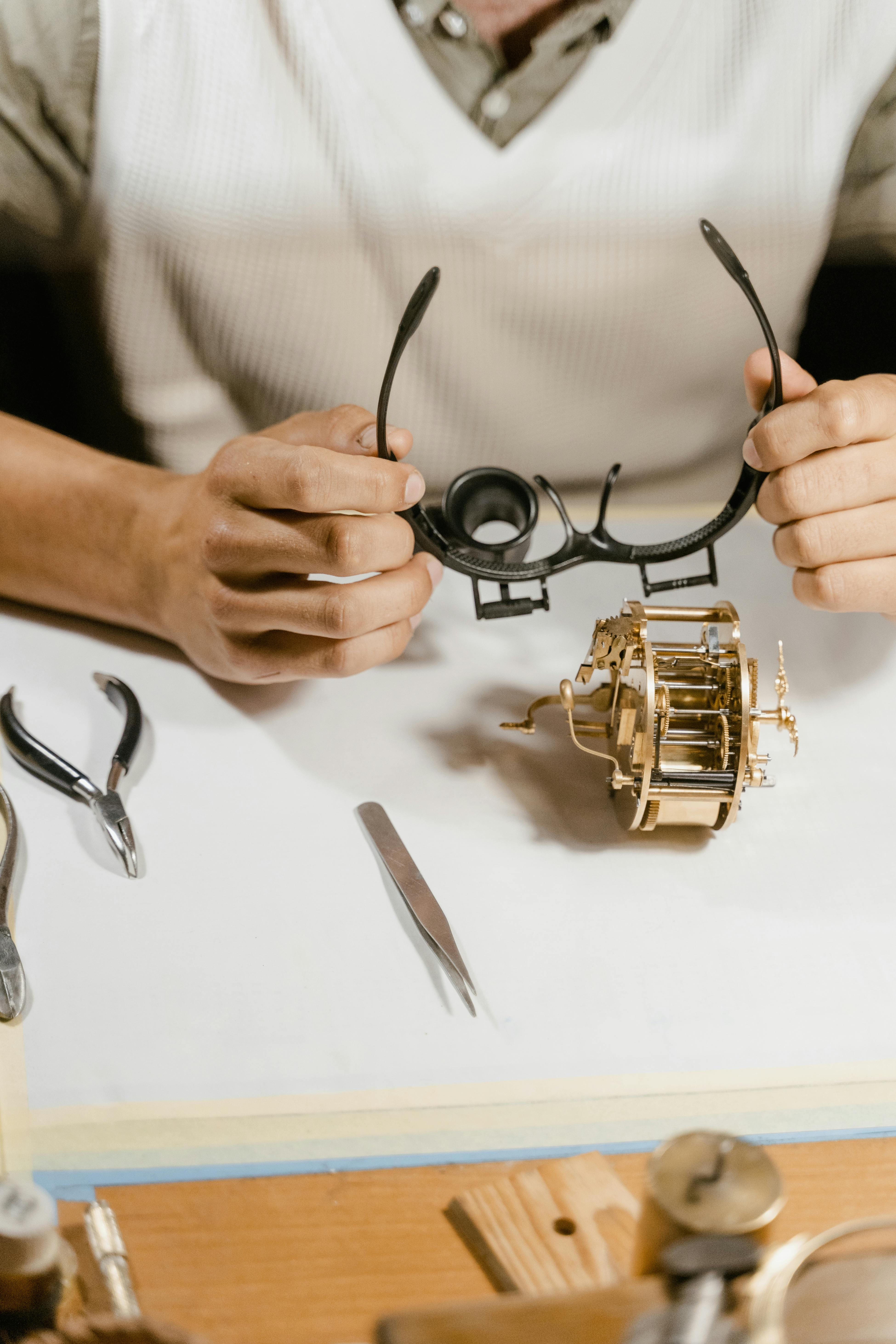
Most mechanical watches do not jump from perfect health to total failure in a single day. They usually give clues first: a shrinking power reserve, erratic gains or losses, moisture under the crystal, or a crown that suddenly feels wrong. Understanding those signals helps you decide whether you are looking at normal mechanical behavior, a simple user issue, or a real service problem.
That distinction matters because many common mechanical watch problems are fixable without panic, but not all of them should be ignored. A watch that stops after sitting overnight may only need a proper wind. A watch that suddenly gains minutes a day after passing near a phone clasp or speaker could be magnetized. Persistent condensation under the crystal, on the other hand, is the kind of symptom that should move you from observation to action quickly.
This guide breaks down the most common mechanical watch problems in a practical order. It starts with the symptoms owners notice first, explains what they often mean, and ends with a realistic threshold for when home checks stop making sense and professional service becomes the smarter move.
A watch that stops or runs out early is often a power issue first
Among all common mechanical watch problems, the easiest one to misread is a watch that stops. Owners often assume the movement is broken when the more likely explanation is that the mainspring simply is not getting or keeping enough energy. That can happen with both hand-wound and automatic watches.
Seiko's current instruction materials for analogue quartz and mechanical watches explain that an automatic mechanism winds through everyday wear, but they also note that the watch may need a manual start when it has fully stopped. In practice, that means a desk-heavy day, light wrist movement, or a short wear window may not fully replenish the power reserve on every watch. A modern automatic with a 70-hour reserve behaves very differently from an older model with a shorter reserve and less efficient winding system.
If your watch stops overnight, start with a basic test instead of guessing. Fully wind it according to the brand's instructions, set the time, and leave it off the wrist. If it still dies far earlier than its expected reserve, then the symptom becomes more meaningful. Weak reserve can point to dried lubricants, excess friction, mainspring wear, or an automatic winding system that is no longer transferring energy efficiently.
There is also a difference between a watch that stops randomly and one that stops predictably. A watch that always quits after a similar number of hours can suggest a power reserve shortfall. A watch that stops at inconsistent times may indicate something else, including a balance problem, dirt in the train, or a fault that appears only in certain positions.
Before calling it a repair case, ask three questions: was the watch fully wound, was it worn enough to build reserve, and is its real-world reserve now much shorter than the brand's stated figure? Those answers eliminate a surprising amount of noise when diagnosing common mechanical watch problems.
If a mechanical watch is losing or gaining time, context matters
A mechanical watch that drifts a few seconds per day is not automatically defective. This is where expectations often create confusion. COSC states that a certified chronometer for mechanical watches must meet an average daily rate between -4 and +6 seconds per day during testing. That is a high standard, but it applies only to watches that have actually been tested and certified to that benchmark. Grand Seiko, by contrast, publishes model-specific and movement-specific performance ranges, and those normal usage figures are often broader than laboratory rates.
That matters because one of the most common mechanical watch problems is really a mismatch between owner expectations and the watch's design target. Position, temperature, shock, mainspring state, and magnetic exposure all affect rate. A watch that is nearly unwound may keep different time from the same watch near full wind. A watch worn during active movement may also show different behavior than one resting crown-up on a nightstand.

Magnetism deserves special attention because it can create dramatic symptoms fast. Many owners notice a watch suddenly running far ahead rather than just a few seconds off. That can happen when the hairspring begins sticking because of magnetic influence. You do not need to work in a laboratory for this to happen; everyday objects such as device accessories, bags with magnetic closures, speakers, and tablet covers can be enough, especially on watches without higher anti-magnetic protection.
When evaluating timing, test method matters. Compare the watch to a known accurate reference for several days. Note whether the watch is fully wound, whether it spends most of the day on the wrist, and whether the gain or loss is stable. Stable error often points toward regulation or normal movement character. Sudden, extreme change is more suspicious and pushes magnetism or impact higher on the list.
In other words, "my watch is losing time" is not a diagnosis. It is a symptom. The useful question is how much, how suddenly, and under what conditions. That is the level at which common mechanical watch problems start becoming identifiable instead of frustratingly vague.
Moisture, crown trouble, and rough operation are warning signs to take seriously
Some symptoms deserve more urgency than a mediocre daily rate. Moisture under the crystal is one of them. If you see fog or droplets on the inside surface, water or vapor has entered the case. At that point, the problem is no longer cosmetic. Moisture threatens the dial, hands, movement steel, oils, and seals, and the longer it remains inside, the higher the risk of corrosion.
Official care instructions from Seiko emphasize that screw-down crowns must be secured before water exposure and should not be operated when the watch is wet or in water. That seems basic, but many real service problems begin with exactly this kind of user-side mistake: a crown left unscrewed, a caseback gasket that has aged, or a watch taken beyond its actual water resistance condition years after purchase.
The crown itself can also tell you a lot. If winding suddenly feels gritty, the crown no longer threads smoothly, or setting the time becomes inconsistent, stop forcing it. A rough crown can indicate stem, tube, thread, or keyless-work issues. Continuing to push through resistance is one of the easiest ways to turn a manageable service job into a more expensive repair.
Another useful rule is that smooth operation matters almost as much as timekeeping. Mechanical watches rarely feel perfect when something is genuinely wrong. Owners often describe the change before they can explain it: the crown feels different, the rotor sounds unusual, the hands no longer set cleanly, or the watch loses its previous steadiness. Those impressions are worth respecting because they often appear before total failure.
When common mechanical watch problems mean service instead of more testing
There is a point where repeated home checks stop adding value. Professional service is about more than cleaning. Rolex explains in its service materials that a complete service includes full disassembly, ultrasonic cleaning of components, replacement of worn parts as needed, lubrication, timing checks, and tests for waterproofness, power reserve, and precision. That is why a neglected watch can appear to have several different symptoms even when the root cause is simply age and internal wear.
Rolex also states in its current FAQ that service is recommended approximately every 10 years depending on the model and real-life usage. That does not mean every watch brand uses the same interval, nor does it mean you should wait for ten years if clear symptoms appear earlier. It does mean modern mechanical watches are generally more robust than the old "service every three to five years no matter what" rule that still circulates online.
OMEGA's current user manual language is useful here as well because it stresses care, cautions against damage from knocks and abusive use, and directs owners toward official service centers for maintenance. That reinforces an important point: not every timing issue is about normal wear. Impact damage, neglect, and moisture can change the service decision from routine maintenance to repair work.
So when should you stop troubleshooting and book service? The answer is usually yes if the watch shows any of the following:
- Its power reserve is now well below the brand's expected figure after proper winding.
- Its daily rate changed sharply and stayed abnormal for several days.
- It shows signs of moisture inside the case.
- The crown, setting, or winding feel changed abruptly.
- The watch suffered a hard knock and began running erratically afterward.
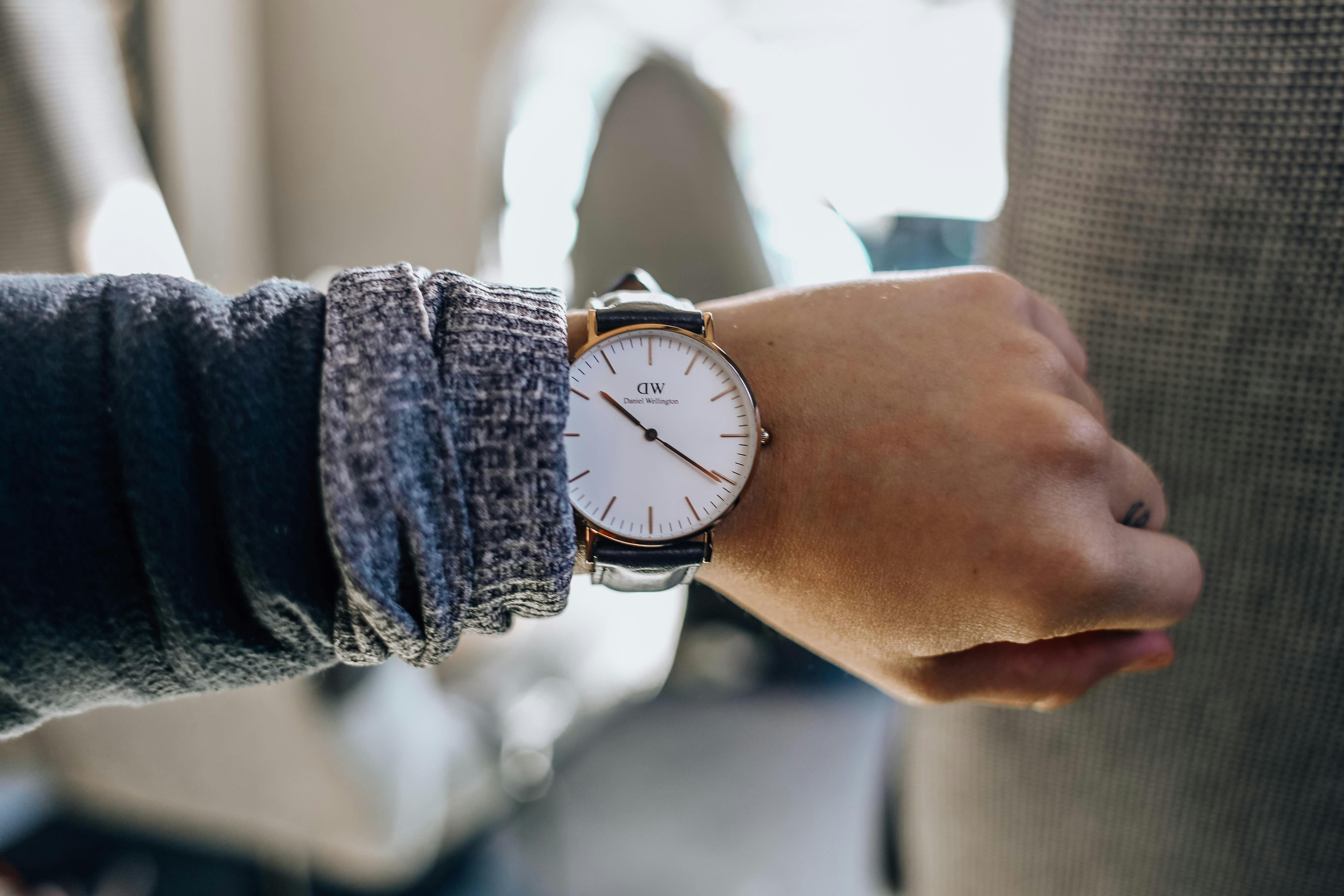
The best mindset is not to search for a universal rule but to understand the difference between watch behavior and watch decline. Mechanical movements are alive in the sense that they respond to position, activity, and environment. But persistent symptoms still mean something. The goal is not to demand quartz-like perfection. It is to spot the point where normal variation turns into a maintenance issue.
FAQ
How many seconds a day can a mechanical watch be off?
It depends on the movement and whether the watch is certified to a standard such as COSC. Some watches are designed to run within chronometer-level tolerances, while others have broader normal-use ranges published by the brand.
Why does my automatic watch stop even though I wore it?
Low daily motion, incomplete winding, reduced power reserve, or an inefficient winding system are common causes. Start by fully winding the watch and testing its reserve off the wrist.
Can magnetism really make a watch run fast?
Yes. Magnetism can affect the hairspring and create a sudden jump in gain that is much larger than normal day-to-day variation.
Is condensation inside a mechanical watch normal?
No. Moisture inside the crystal usually means water or vapor entered the case, and the watch should be assessed quickly to avoid corrosion or dial damage.
Should I wait for a full breakdown before servicing my watch?
No. A shrinking power reserve, unstable rate, moisture, or a rough crown are all better handled early, before wear spreads to more components.
Conclusion
The most useful way to think about common mechanical watch problems is to separate symptoms into three buckets: normal behavior, watch-owner setup issues, and genuine service needs. A watch that needs a full wind is different from a watch with a collapsing power reserve. A watch that drifts a few seconds is different from one that suddenly gains minutes. And a watch that shows moisture under the crystal should not be treated like either of those.
If you track symptoms carefully, compare them against the watch's intended performance, and respond early to the serious warning signs, you make better service decisions and usually keep repair costs lower. Mechanical watches reward attention. The trick is knowing when attention is enough and when a trained watchmaker needs to take over.